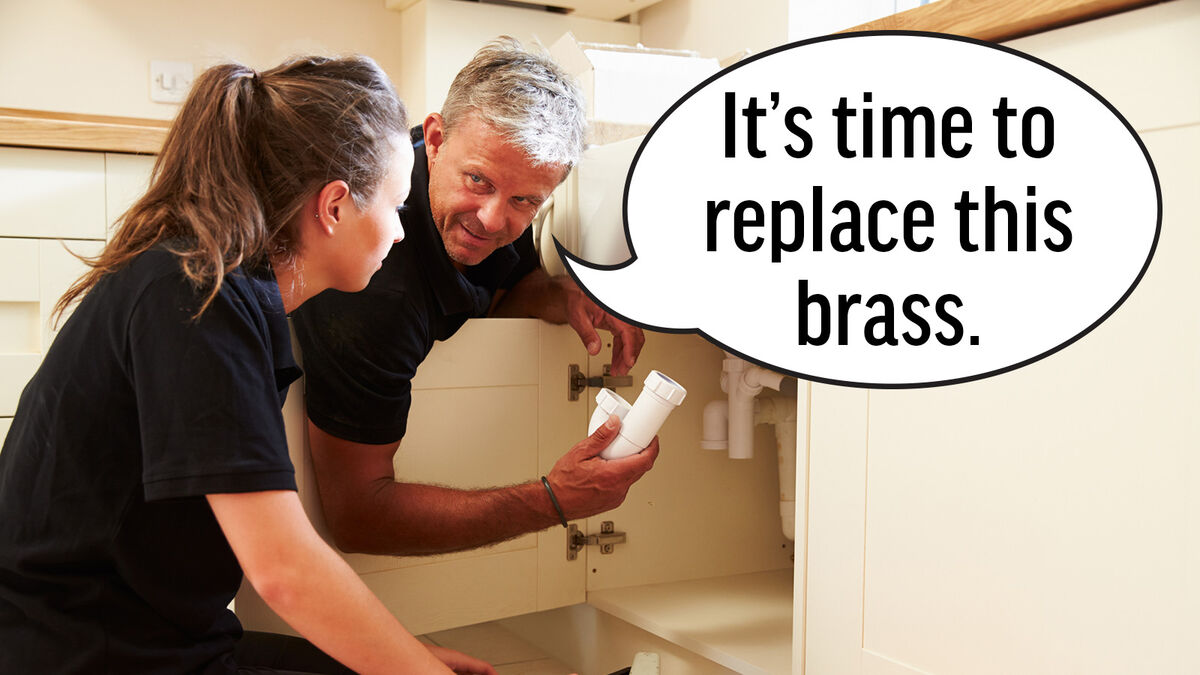
Like a secret “insider” language, jargon is terminology only understood by people in a certain group. Most words in the English language are a part of common, everyday speech, understood by almost anyone who speaks the language. However, jargon is like a type of shorthand between members of a particular group of people, often involving words that are meaningless outside of a certain context. Following are some examples of jargon that will help illustrate the concept.
Examples of Medical Jargon
The medical field is filled with cryptic jargon, including innumerable scientific terms and medical abbreviations.
- acute - a condition that comes on suddenly
- agonal - term to signify a major, negative change in a patient's condition
- atypical - something that isn’t completely normal
- comorbid - two or more conditions that occur at the same time
- iatrogenic - something that didn’t go as planned
- idiopathic - a condition that does not have a clear explanation of cause
- metabolic syndrome - a group of risk factors that increase the likelihood of heart attack and stroke
- negative - results of a test that indicate a tested condition is not present
- sub-therapeutic - something at a low level
- tachycardia - fast heart rate
Business Jargon Examples
The business world is no stranger to lingo, including a range of industry-specific jargon. It won't take more than a few minutes on Wall Street before you hear at least one of these terms being thrown around.
- bang for the buck - a term that means to get the most for your money
- best practice - the best way to do something
- core competency - basic strength of a group or company
- due diligence - putting effort into research before making a business decision
- drill down - to look at a problem in detail
- low-hanging fruit - the easiest problems to fix
- scalable - an endeavor that can be expanded without a lot of additional investment
- sweat equity - getting a stake in the business instead of pay
- the 9-to-5 - business jargon meaning a standard work day
- chief cook and bottle-washer - a person who holds many responsibilities
Examples of Police Jargon
Law enforcement officers and professionals have their own set of police jargon as well.
- 10-4 - radio jargon meaning, “Okay” or “I understand”
- assumed room temperature - an individual has died
- beat - an officer’s parole area
- berries and cherries - the lights on top of a police car
- code eight - term that means officer needs help immediately
- code eleven - a code that means the individual is at the scene of the crime
- mirandize - to read someone their rights
- Sam Browne - a police belt
- suspect - s person whom the police think may have committed a crime
- wolf pack - A group of patrol cars traveling together
More Types of Jargon
Virtually every occupation and group has some jargon associated with it. In addition to the examples above, check out these other types of jargon:
- Political jargon - There are lots of examples of political jargon being used by 24-hour news outlets, including terms like deep state and bipartisan.
- Military jargon - Among much of the common vocabulary in the military, there is certainly no shortage of shorthand and military acronyms too. Be all that you can be with this jargon.
- Workplace jargon - Many offices use common workplace jargon to describe everything from the office environment to specific business practices.
Difference Between Jargon and Slang
Although they are sometimes used similarly, jargon and slang are not the same. Often, they both involve an informal use of a term to communicate an idea, so there’s a bit of overlap between the two words. However, slang is simply informal language, whereas jargon is specific to a group of people.
For example, most English speakers know that “cool” is slang for something that’s good, but only a plumber would know that “brass” is plumbing jargon for a faucet or fixture.
A Word of Caution About Jargon
If you’re speaking informally to other people in the same field of study, occupation, or group, you can use jargon and still be understood. However, if you’re speaking to someone outside this group or writing work for a larger audience, you should avoid the use of jargon. The point to writing and speaking is communication, and using words only a few people know can get in the way of getting your point across. If you think about your audience first, you’ll always choose the right words.