Have you been wondering, "What are examples of science idioms?" Well, wonder no longer. You're covered with this healthy list of scientific idiom expressions. A good example of a science-related idiom would be “to have something down to a science,” which means that it's totally understood and well-managed. Discover some other idioms related to science that add a touch of chemistry and biology to the English language.
What Is an Idiom?
An idiom is a word or a phrase that has a meaning other than what one would interpret based on the literal definition of the word (or words). It's a common expression or saying that has shared meaning within a language, region or culture. The interpreted meaning of an idiom is based on how the term is commonly used by the people who use it. Idioms are figures of speech.
General Scientific and Technology Idioms
Since science is such a broad field, the opportunities for idioms abound. Enjoy these examples of general idioms and phrases related to science and technology.
- bells and whistles - all the features of a product plus extra
- bent out of shape - needlessly stressed or worried about something
- big brother is watching - technology is keeping track of what humans are doing
- blind with science - confused with highly technical language
- cog in the machine - a person or thing that is a small part of a much larger system
- cutting edge - advanced and innovative; the latest technology
- fire on all cylinders - everything is working well
- grease the wheels - pave the way for things to go smoothly
- in layman’s terms - describe something technical or complex in a simple way
- reinvent the wheel - do something again that’s already been done in an effective way
- silver surfer - an older person who knows how to use the internet
- the bottom line - key or essential information
- to push one's buttons - to bring up things that will irritate a person
- up and running - ready for use
- well-oiled machine - anything that functions as it should
Chemistry, Physics and Geology Idioms
Chemistry, physics and geology focus on reactions, mechanics and physical science. Incorporate some great idioms about each of these topics into your writing.
- a rolling stone gathers no moss - keep moving and you'll be fine
- acid test - a conclusive test to establish quality
- at boiling point - reached one’s limit in patience or temper
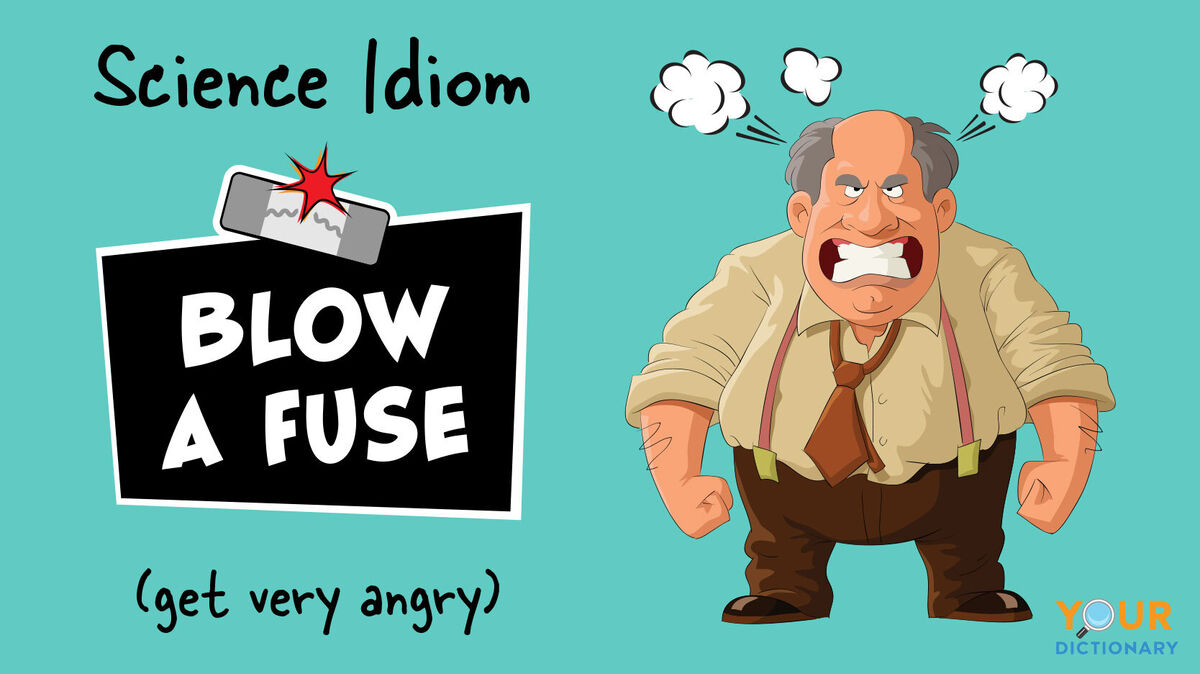
- blow a fuse - get very angry
- can you dig it - inquiry regarding whether one likes something
- dig in your heels - to stubbornly refuse to compromise or give in
- don't rock the boat - don't cause things to be unsettled
- dumb as a bag of rocks - someone who is not smart at all
- get your wires crossed - being confused or not understanding someone
- gut reaction - intuition; one's initial feelings about a situation
- on the same wavelength - to have the same ideas and opinions
- quantum leap - to make a major breakthrough or advancement
- run out of steam - lose motivation or enthusiasm
- to have chemistry - when there is an attraction or spark between people
- to pull the plug - to stop something from moving forward; to put an end to something
Biology, Zoology and Botany Idioms
Biology, zoology and botany focus on the study of living things, including humans, animals and plants. Quite a few idioms touch upon these elements.
- apple of one's eye - someone that a person loves or otherwise holds in high regard
- after my own heart - someone who is very similar to you
- barking up the wrong tree - mistaken about your beliefs about a person
- bleeding heart - one who is softhearted and empathetic towards others
- blood is thicker than water - family ties are stronger than those with friends or acquaintances
- bull-headed - stubborn or inflexible
- biological clock is ticking - moving toward the end of the time that a woman can bear children
- can't see the forest for the trees - so focused on details that you can't see what's really happening
- cat's got your tongue - silent; will not speak up
- eat your heart out - be jealous or envious of what another person has
- fresh as a daisy - renewed and refreshed
- to bleed someone dry - to take or use up all of a person's money or resources
- to eat crow - to admit you made a mistake
- to have ants in one's pants - to be restless or otherwise unable to stay still
- what makes one tick - information about what motivates a person to act the way they do
Astronomy and Space Science Idioms
Idioms aren't just for earthbound science. Outer space and astronomy terms are often used to form cool figurative expressions and sayings.
- a waste of space - something that serves no purpose
- everything under the sun - has everything one could possibly need
- failure to launch - something that never actually gets started
- it’s not rocket science - easy to do or understand
- light-years ahead - out in front with new developments or successes
- many moons ago - a long time ago
- on another planet - not paying attention, acting strangely
- out of this world - extraordinary, very impressive
- once in a blue moon - a very infrequent occurrence
- over the moon - extremely happy or excited
- reach for the moon - set your goals very high
- space cadet - someone who is goofy or ditzy
- space out - to become unaware of what is going on
- Sputnik moment - when you realize you need to work harder to catch up
- thank your lucky stars - to express gratitude for experiencing good luck
Beyond Science Idioms
For as long as people put pen to paper, phrases related to science and nature will be a great tool to help us express our feelings. Let these idiomatic expressions help your writing fire on all cylinders. Get even more creative by letting some funny quotes about science add fuel to your fire. Then, get even more figurative with some examples of onomatopoeia in nature. You'll be on your way to mastering the art of using figurative language.